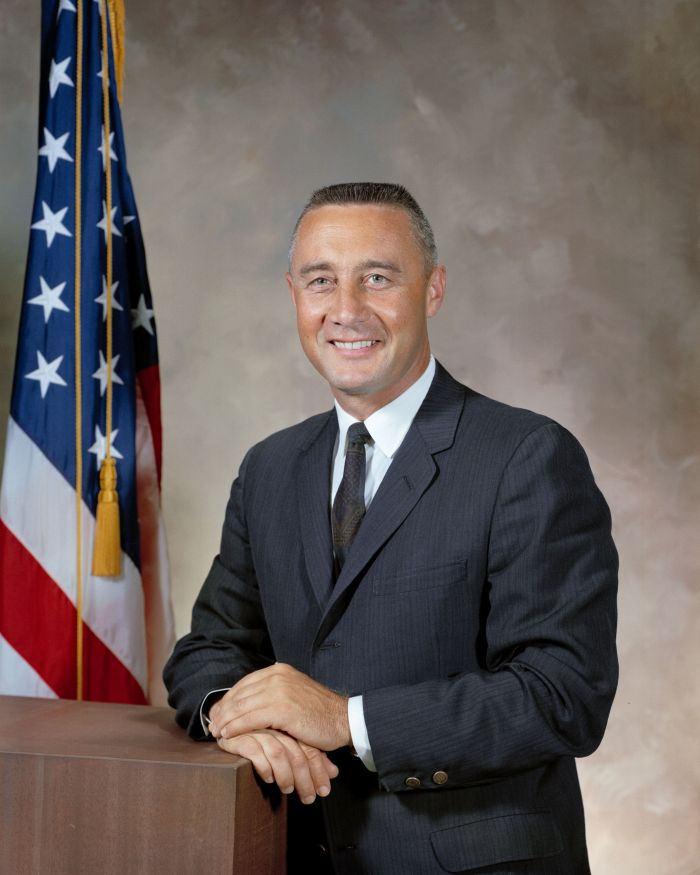
Virgil I. GRISSOM |
|
PROFILE |
|
Full Name: |
Virgil Ivan 'Gus' GRISSOM. |
Rank: |
Lieutenant-Colonel, US Air Force (Deceased). |
Born: |
3 April 1926 in Mitchell, Indiana, USA (American). |
Died: |
27 January 1967, during a fire in the Apollo 1 Command Module, LC34, NASA Kennedy Space Center, Florida, USA. He was aged 40. |
Education: |
1944: Graduated from Mitchell High School, Indiana.
1950: BSc degree in Mechanical Engineering from Purdue University. |
Career Highlights: |
1943-45: Aviation Cadet with the US Army Air Corps.
1946-Feb 1950: Student at Purdue University.
Feb 1950-Mar 1951: Air cadet, USAF; (Mar 1951) received pilot wings.
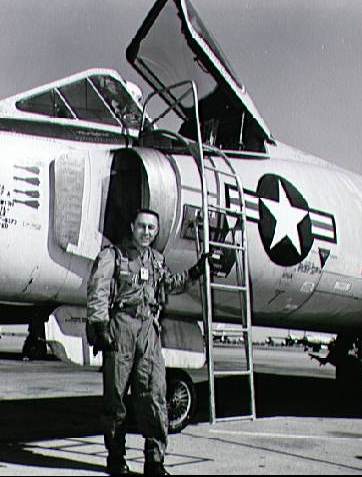
Dec 1951-1952: F-86 replacement pilot, 4th Fighter Interceptor Wing; flew 100 combat missions with the 334th Fighter Interceptor Squadron, Korea.
1952-Aug 1955: Jet Instructor, Bryan Air Force Base (AFB), Texas.
Aug 1955-Oct 1956: Student, AF Institute of Technology, Wright-Patterson AFB, Dayton, Ohio.
Oct 1956-May 1957: Student, USAF Test Pilot School, Edwards AFB, California.
May 1957-Apr 1959: USAF test pilot, fighter branch, Wright-Patterson AFB. In his career, Grissom logged 4,600 hours flying time, including 3,500 hours in jets. |
|
|
NASA ASTRONAUT ASSIGNMENTS |
|
1959: |
(9 Apr) Selected as one of the seven original Mercury astronauts chosen by NASA (Group 1); (27 Apr) reported to NASA's Space Task Group, Langley Research Center, Langley Field, Hampton, Virginia; Mercury training; (Jul) received a technical assignment for spacecraft automatic and manual control systems; Mercury training. |
1960: |
Mercury training. |
1961: |
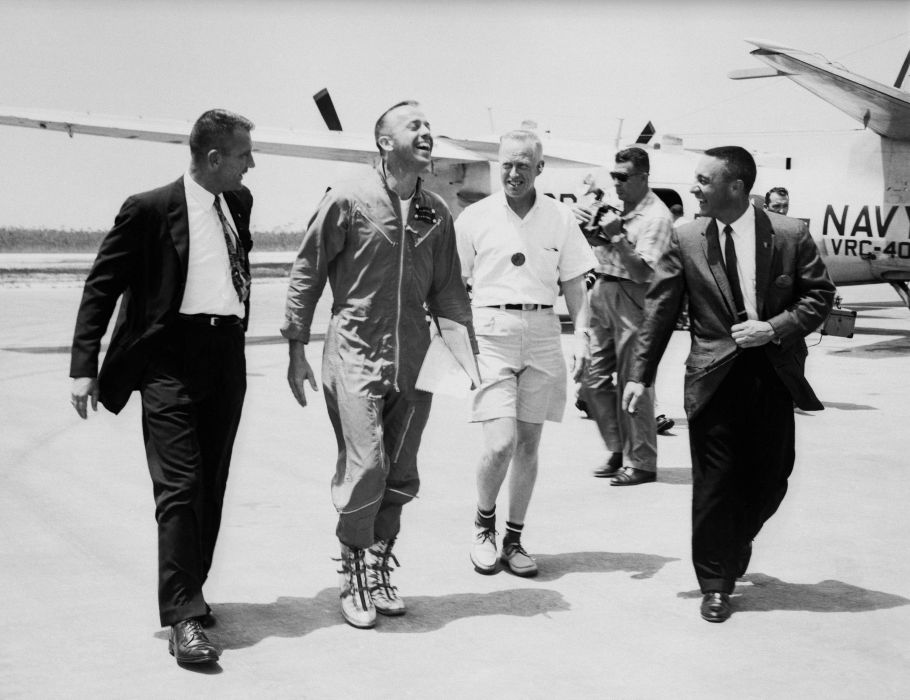
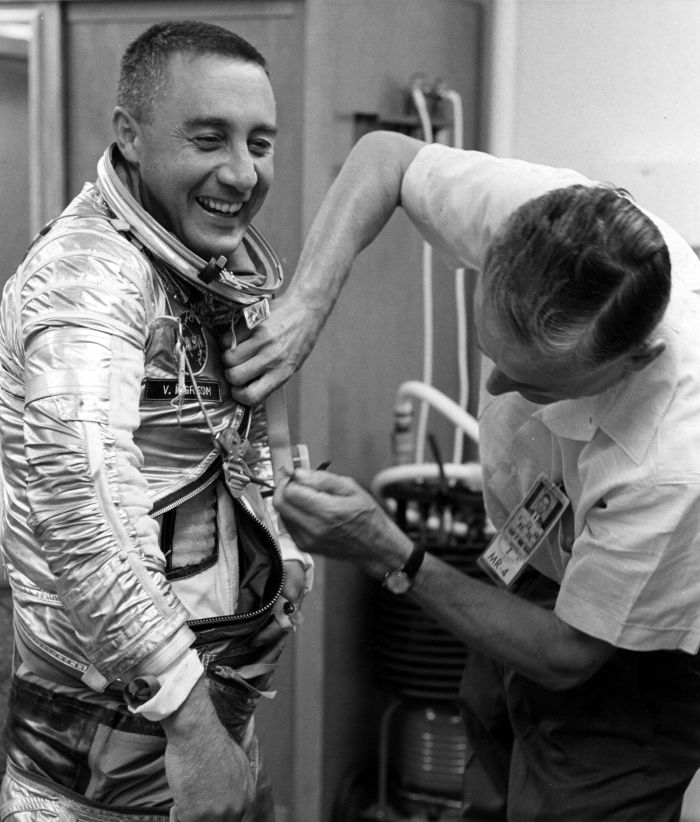
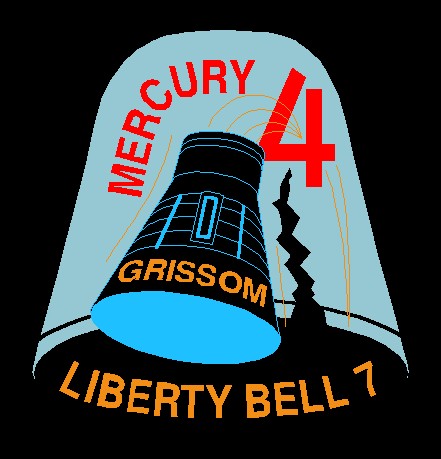
Mercury training; (19 Jan) informed by Robert Gilruth that he would fly the second sub-orbital Mercury mission; (22 Feb) named with Alan Shepard and John Glenn to begin 'special training' for the MR3 first crewed mission; Mercury training; (21 Jul) flew as PLT Mercury-Redstone 4 (MR-4) Liberty Bell 7; sub-orbital mission (15 min 37 sec); almost drowned during recovery operations and Liberty Bell 7 sank in the Atlantic Ocean [it was recovered on 20 July 1999, after a 14-year search, by an underwater salvage team led by Carl Newport]; assigned as Astronaut Office (Code CB) representative for development issues on Mercury Mark II systems (renamed as Gemini in January 1962); Grissom became the CB representative to determine crew position and display parameters for the Gemini crew compartment. |
1962: |
Gemini systems development assignments; working on astronaut procedures training; (Feb) Capcom in Bermuda for MA-6 (Glenn); (May) Capcom at Mission Control Center Houston (MCC-H) for MA-7 (Carpenter); (Oct) Capcom in Hawaii for MA-8 (Schirra); (Oct) assigned as Astronaut Group 2 training manager; began early Apollo systems training; Astronaut Office relocated during the year from Langley to the new Manned Spacecraft Center (MSC) in Houston, Texas. |
1963: |
(26 Jan) received technical assignment for Project Gemini; (May) Capcom in Guaymas, Mexico for MA-9 (Cooper); (Jul) informed by Deke Slayton that he would be BUp Command Pilot for Gemini 3 (with Frank Borman) then rotate to fly the 14-day Gemini 6 mission; (Oct) reassigned as Command Pilot Gemini 3 (with John Young) due to grounding of Shepard; Grissom and Young would then BUp Gemini 6 before Grissom moved over to an early Block I Apollo mission; Gemini training; generic Apollo systems training. |
1964: |
Gemini mission training; (13 Apr) named Command Pilot Gemini 3; (8 Jul) named new Gemini Branch Chief, CB; Gemini mission training; generic Apollo systems training. |
1965: |
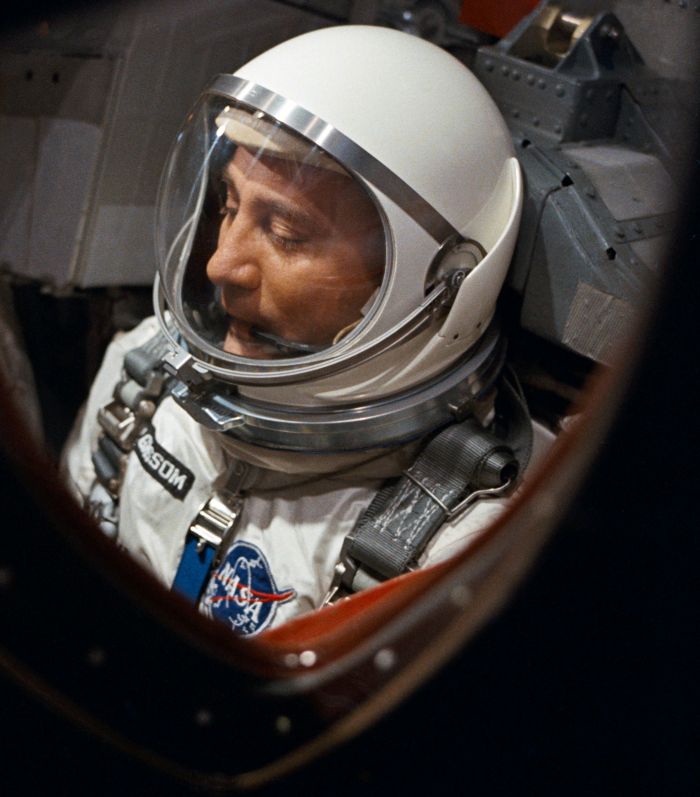
Gemini mission training; (23 Mar) flew as Command Pilot Gemini 3 (4 hrs 52 min); first US two-person space flight, first crewed spacecraft to manoeuvre in space; (5 Apr) named BUp Command Pilot Gemini 6; Gemini mission training; (Jun) Capcom MCC-H for Gemini 4; Gemini mission training; (Aug) Capcom at Cape Kennedy for Gemini 5; Gemini mission training; (Dec) informed by Slayton of his pending assignment as CDR for Apollo 1 (with Ed White and Roger Chaffee). |
1966: |
Apollo mission training; (3 Feb) named as Chief, Apollo Branch Office, CB; (21 Mar) named officially as CDR Apollo 1; Apollo mission training. |
1967: |
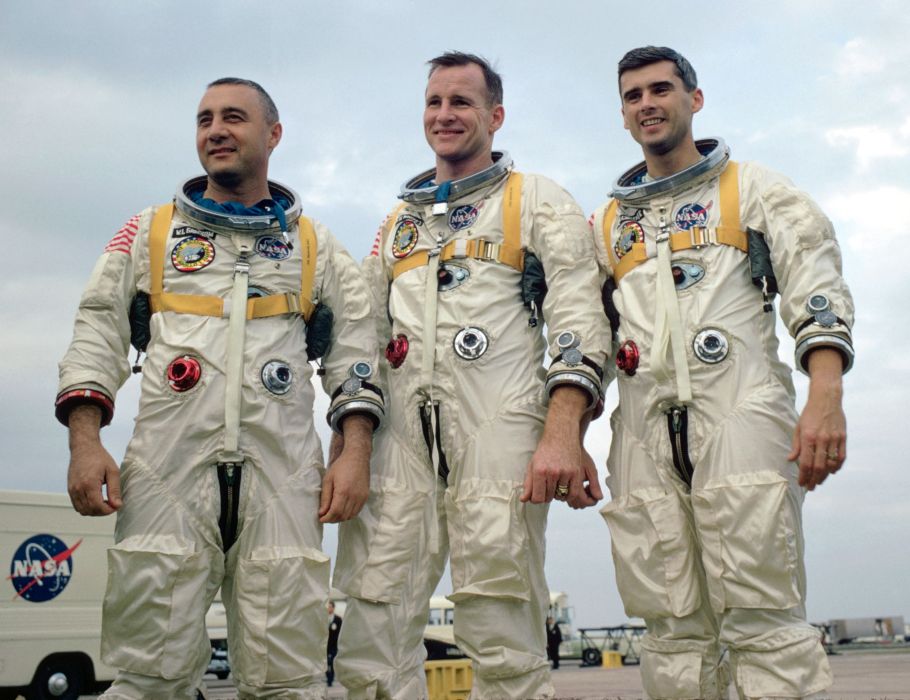
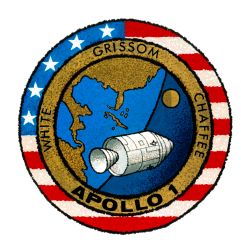
Apollo mission training; (27 Jan) killed with White and Chaffee in the Apollo 1 pad fire, Pad 34, KSC, Florida; (31 Jan) buried with full military honours at Section 3, Arlington National Cemetery, Virginia.
Grissom was a leading candidate to BUp one of the Apollo Block II development missions, likely leading to the command position of an early lunar landing mission. |
Virgil 'Gus' GRISSOM Space Flight Missions |
||||||
Mission |
Vehicle |
Position |
Dates DD/MM/YY |
Duration DD:HH:MM:SS |
Orbits |
EVAs |
Mercury 4 |
Redstone |
Pilot |
21/07/1961 |
00:00:15:37 |
Sub-orbital |
0 |
Gemini 3 |
Titan II |
Command Pilot |
23/03/1965 |
00:04:52:31 |
3 |
0 |
|
||||||
Missions Flown |
2 |
Total Flight Time: |
00:05:08:08 |
3 |
0 |
|
|
|
|
|
|
|
|
Space Explorer Achievements |
||||||
First person to fly two space missions (1961 sub-orbital, 1965 orbital) Commanded first American two-person flight and first crewed spacecraft to manoeuvre in orbit (Gemini 3) |
||||||