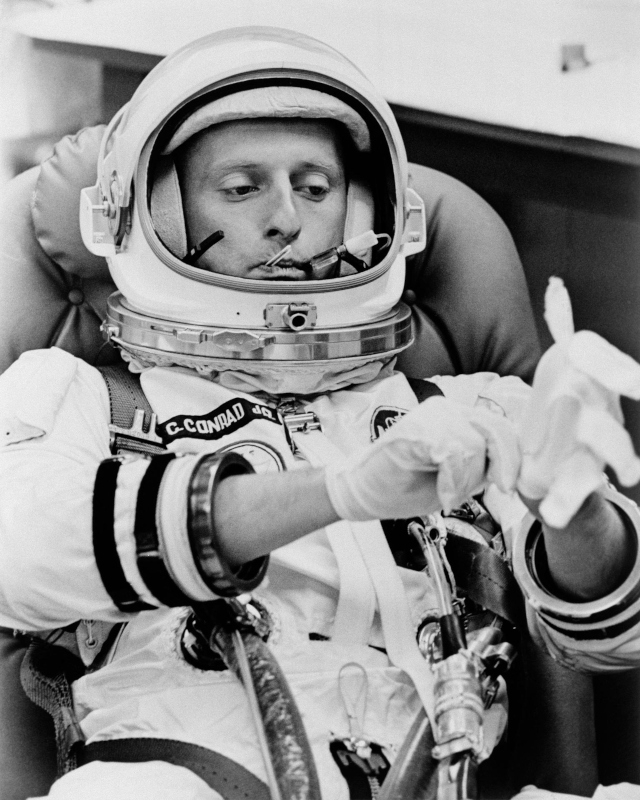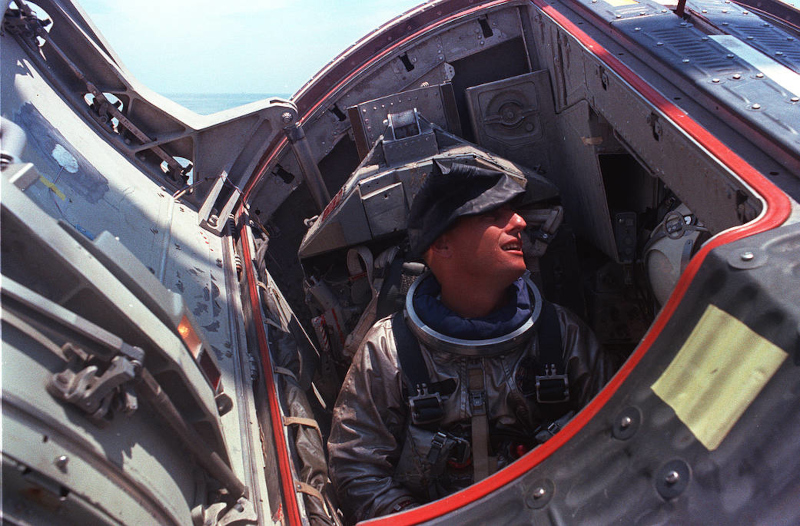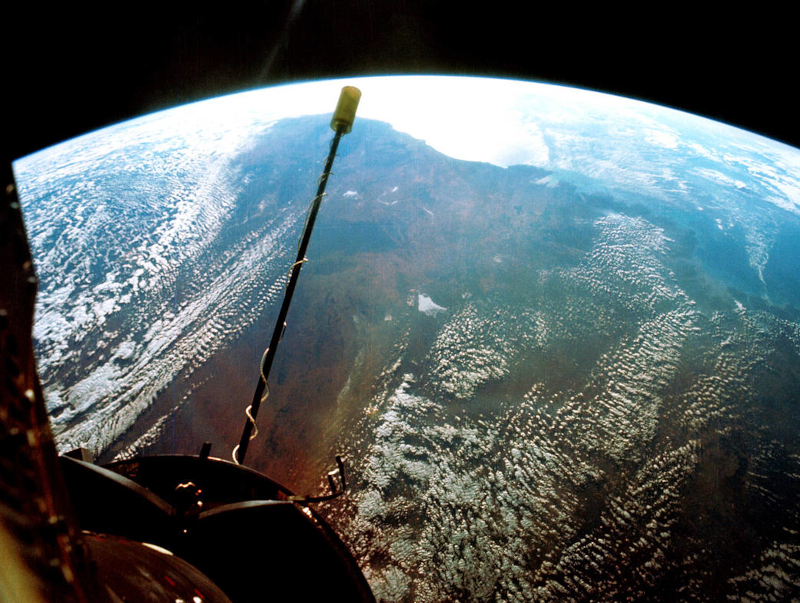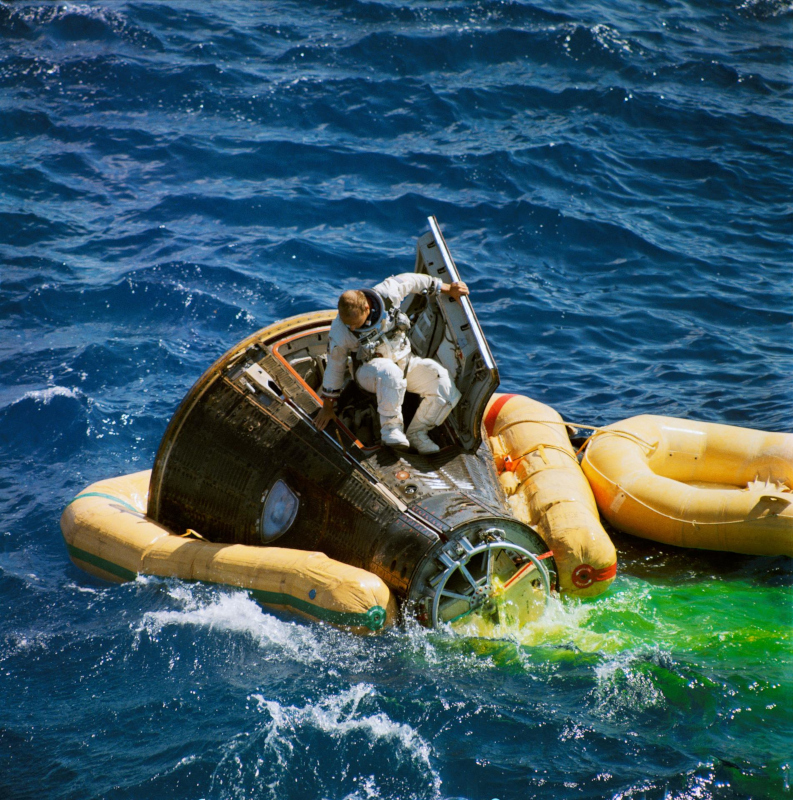

Pete CONRAD |
|
PROFILE |
|
Full Name: |
Charles 'Pete' CONRAD Jr. |
Rank: |
Captain, US Navy (Deceased). |
Born: |
2 June 1930, in Philadelphia, Pennsylvania, USA (American). |
Died: |
8 July 1999, aged 69, from injuries sustained in a motorcycle accident, Ojai, California, USA. |
Education: |
1949: Graduated from Darrow School, New Lebanon, New York.
1953: BSc degree in Aeronautical Engineering from Princeton University.
1954: Graduated US Naval Aviator flight training
1958: Graduated USN Test Pilot School, Patuxent River, Maryland. |
Career Highlights: |
1949-53: Student at Princeton University.
1953-54: USN Naval Aviator training programme; (Sep 1954) designated Naval Aviator.
1954-57: Naval Aviator with Fighter Squadron 43 (VF-43).
1957-58: Student, USN Test Pilot School, Patuxent River, Maryland.
1958-61: Instructor at the USN Test Pilot School; (1959) one of the final 32 candidates for NASA's Project Mercury, but was not selected.
1961-62: Returned to operational flying with VF-121 and subsequently VF-96; served as Naval Aviator and Flight Instructor. |
|
|
NASA ASTRONAUT ASSIGNMENTS |
|
1962: |
(17 Sep) Selected as one of nine pilot astronauts chosen by NASA for Group 2 ("The Next Nine"); (1 Oct) academic and basic training. |
1963: |
Academic and basic training; (26 Jan) Astronaut Office (Code CB) technical assignment for cockpit layout and system integration; (6 Feb) formally completed academic training; basic and wilderness/survival training programme. |
1964: |
CB technical assignments; (8 Jul) assigned to CB Apollo Branch Office (until Feb 1965); working on early Apollo Lunar Module (LM) development issues. |
1965: |
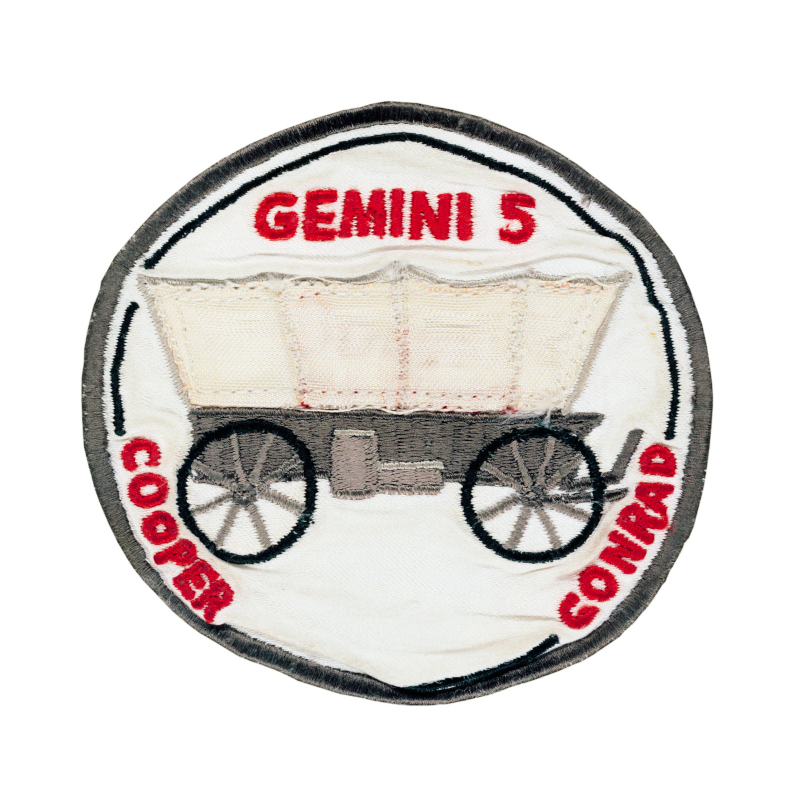
(8 Feb) Named as Pilot Gemini 5; Gemini 5 mssion training; (21-29 Aug) flew as Pilot Gemini 5 (7 days 22 hrs 55 min); set new endurance record (with Cooper); first flight over 7 days; (20 Sep) named BUp Command Pilot Gemini 8; Gemini 8 mission training. |
1966: |
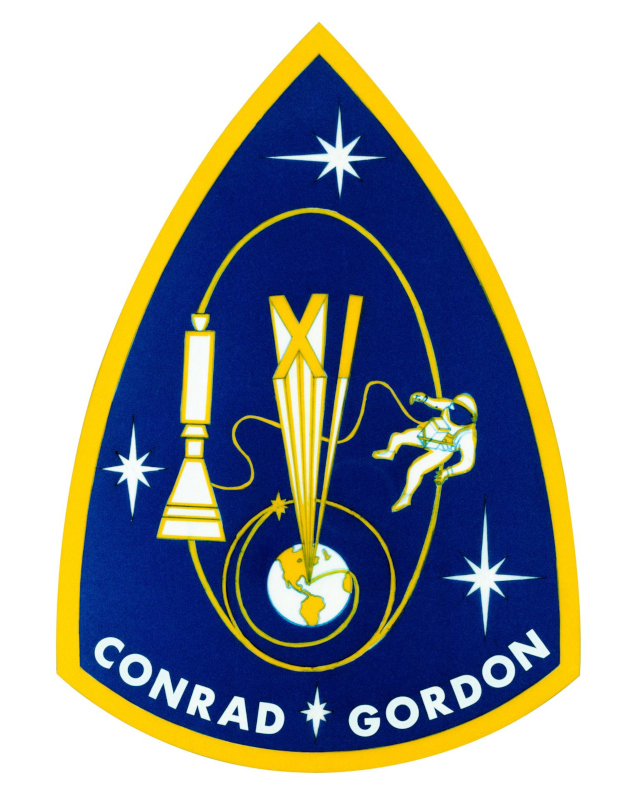
Gemini 8 mission training; (Mar) Bup Command Pilot Gemini 8; (19 Mar) named as Command Pilot Gemini 11; Gemini 11 mission training; (12-15 Sep) flew as Command Pilot Gemini 11 Agena rendezvous and docking mission (2 days 23 hrs 17 min); set world altitude record (with Gordon) of 1,368 km (850 miles) using Agena engine; (22 Dec) named BUp Commander (CDR) Apollo 3 (1st crewed Saturn V flight, high apogee); Apollo mission training. |
1967: |
Apollo mission training; mission suspended due to Apollo 1 pad fire; generic Apollo training; (20 Nov) reassigned as CDR 2nd crewed Apollo (1st crewed LM test flight in Earth orbit); Apollo mission training. |
1968: |
(19 Aug) Reassigned as BUp CDR 2nd crewed Apollo (Apollo '8' - high apogee/lunar orbital); ( ) reassigned again to BUp CDR 3rd crewed Apollo ('9 - Earth-orbital LM mission); Apollo 9 mission training. |
1969: |
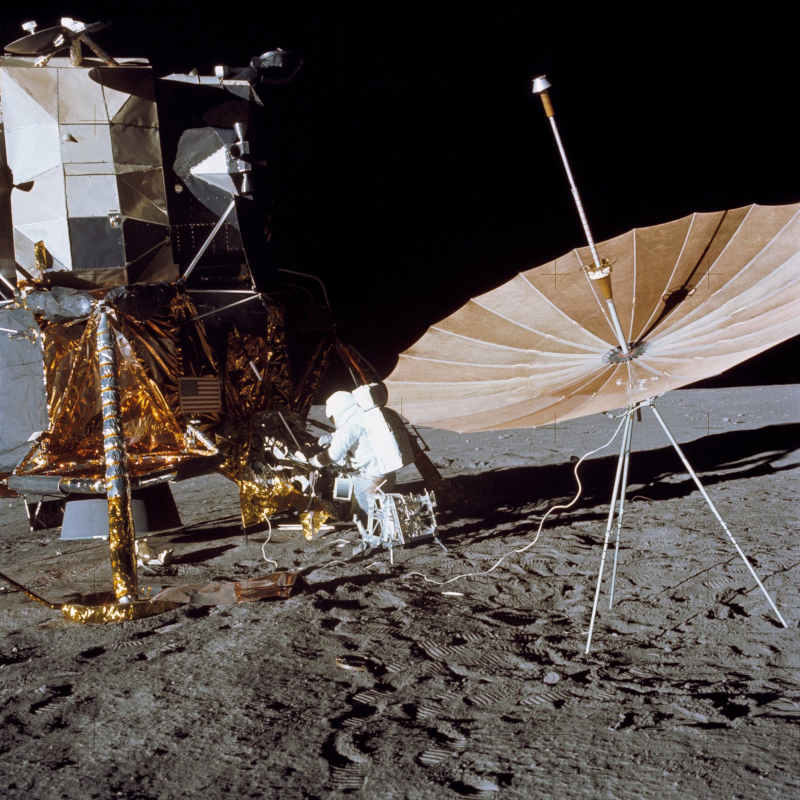
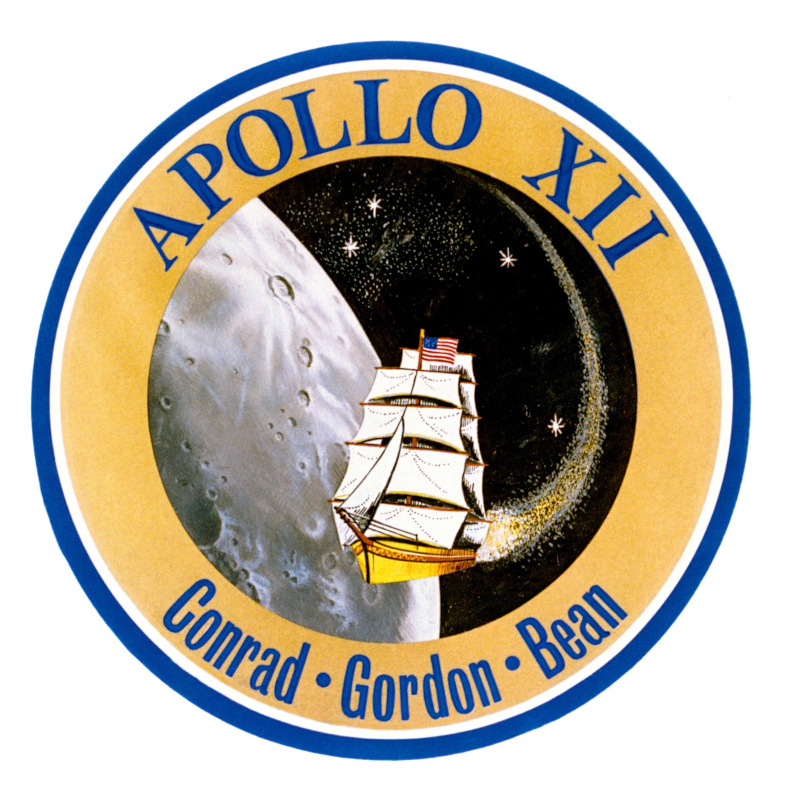
Apollo mission training; (Mar) BUp CDR Apollo 9; (11 Apr) named as CDR Apollo 12, 2nd lunar landing mission; Apollo 12 mission training, including surface EVA training; (14-24 Nov) flew as CDR Apollo 12 (10 days 4 hrs 36 min); 2nd crewed lunar landing; 3rd person to walk on the Moon; 1st person to perform two moonwalks; 2 EVAs (7 hrs 45 min); EVA 1 (19 Nov) 3 hrs 56 min; EVA 2 (20 Nov) 3 hrs 49 min); spent 31 hrs 31 min in total on lunar surface and 48 hrs 9 min in lunar orbit; (Dec) a leading candidate to command Apollo 20, the 10th and final Apollo lunar landing mission, before it was deleted from the manifest. |
1970: |
(Apr) Assigned to Skylab space station programme as Chief of CB astronaut team; Skylab training, including EVA training. |
1971: |
Skylab training. |
1972: |
(19 Jan) Named as CDR Skylab 2, 1st crewed mission; Skylab training; (10 May) ejected safely from a T-38 while attempting an emergerncy landing at Bergstrom Air Force Base (AFB) near Austin, Texas, after an electrical malfunction had caused loss of instrumentation in bad weather; Skylab training. |
1973: |
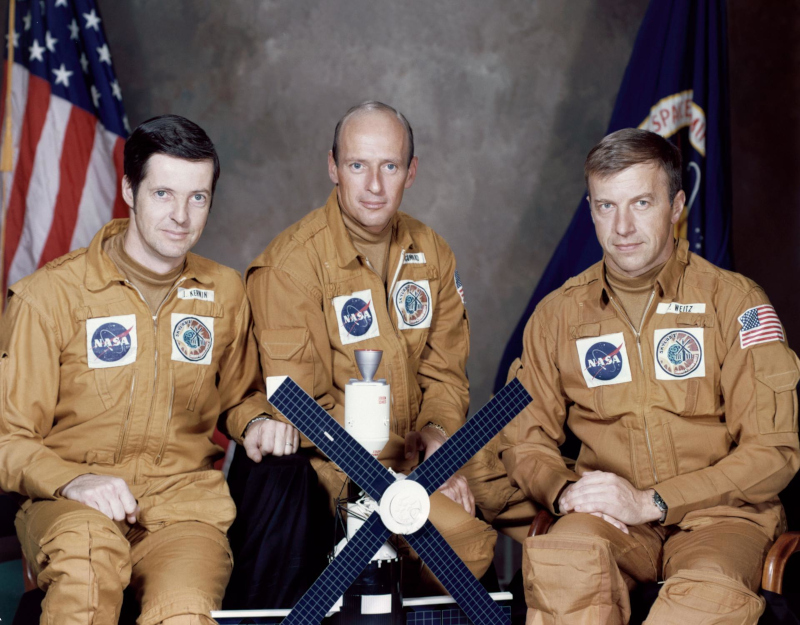
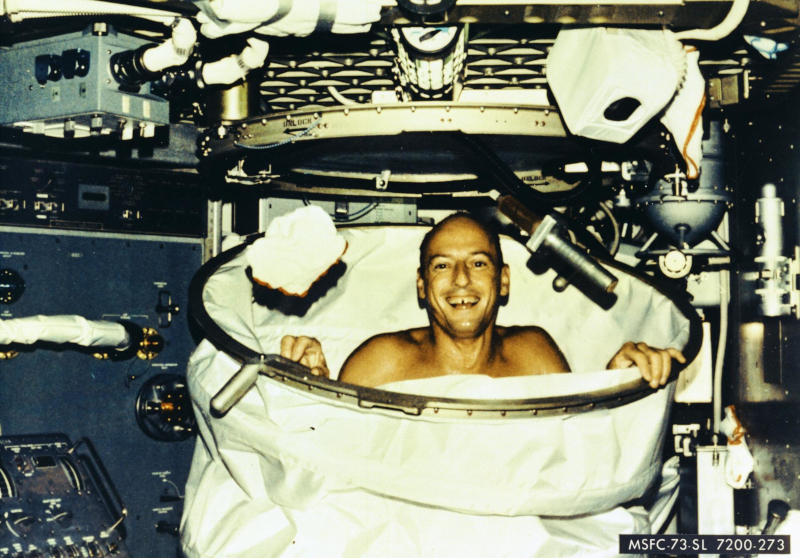
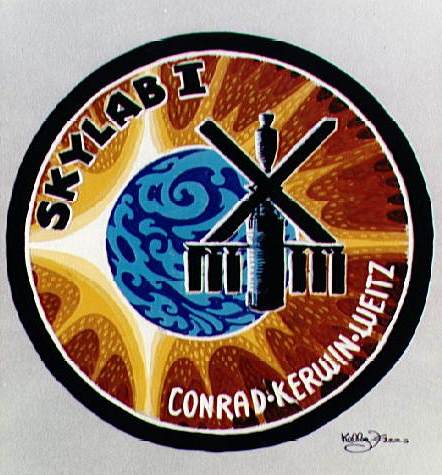
Skylab training; (25 May - 22 Jun) flew as CDR Skylab 2, 1st US crewed space station mission (28 days 0 hrs 49 min); set new world endurance record (with Kerwin and Weitz); participated in orbital repair and recovery of stricken space station following launch malfunction; 2 EVAs (5 hrs 14 min); EVA 1 (7 Jun) 3 hrs 30 min; EVA 2 (19 Jun) 1 hr 44 min); (Nov) announces his intention to leave NASA and the USN effective 1 Feb 1974. |
1974: |
Resigns from NASA and retires from the USN with the rank of Captain,to enter private business. Years later he indicated that waiting to command a Shuttle mission held no interest for him, especially given the missions he had previously completed. |
|
|
POST-ASTRONAUT EXPERIENCE |
|
1 Feb 1974 - 1 Mar 1976: |
Vice President and Chief Operating Officer for American Television and Communications Corporation, Denver, Colorado. |
1 Mar 1976 - 31 Mar 1996: |
Employed by McDonnell Douglas Corporation; (1976) VP Commercial Sales, St Louis, Missouri; (Oct 1978) VP Marketing, Douglas Aircraft Corporation; (Oct 1986) Staff VP International Business Development Section of the Aerospace Group; worked on various new Space Transportation System concepts for Douglas out of the Space Systems Division, Huntington Beach, California, becoming Flight Manager then Director of the Delta Clipper X (DC-X) unpiloted single-stage-to-orbit concept vehicle; worked as launch Capcom and remote pilot for the early test flights; also conducted a number of underwater EVA simulations wearing a full pressure suit, in support of McDonnell's Space Station contracts. |
1996-99: |
Established a company to develop, market and support development of commercial aspects of space. Rocket Developments was designed to develop a reusable space launcher system; Universal Space Lines would support the launch programme and operations; Universal Spacenet would provide the orbital tracking network; (1996) Conrad set a new world speed record for circling the Earth in a private jet, completing the flight in a Learjet in just over 49 hours. |
8 Jul 1999: |
Died aged 69, as a result of internal injuries sustained in a motorcycle accident three miles east of Ojai, Ventura County, California. The previous year, Conrad had expressed a desire to one day follow former Mercury astronaut John Glenn back into space, though not necessarily on the Space Shuttle. |
|
|
Pete CONRAD Space Flight Missions |
||||||
Mission |
Vehicle |
Position |
Dates DD/MM/YYYY |
Duration DD:HH:MM:SS |
Orbits |
EVAs (HH:MM) |
Gemini 5 |
Titan II |
Pilot |
21/08/1965-29/08/1965 |
07:22:55:14 |
120 |
0 |
Gemini 11 |
Titan II |
Command Pilot |
12/09/1966-15/09/1966 |
02:23:17:08 |
44 |
0 |
Apollo 12 |
Saturn V |
Commander |
14/11/1969-24/11/1969 |
10:04:36:25 |
1.5* |
2 (07:45) |
Skylab 2 |
Saturn 1B |
Commander |
25/05/1973-22/06/1973 |
28:00:49:49 |
404 |
2 (05:14) |
|
||||||
Missions Flown: |
4 |
Total Flight Time: |
49:03:38:36 |
569.5 |
4 (12:59) |
|
*Conrad also completed 29 lunar orbits (Apollo 12). |
||||||
Space Explorer Achievements |
||||||
Third person to walk on the Moon First person to walk on the Moon twice Set world space endurance record (8 days, with Cooper) Gemini 5, August 1965 Set world altitude record (850 miles, with Gordon) Gemini 11/Agena, September 1966 First US commander of a space station (Skylab 2) May/June 1973 Set world space endurance record (29 days, with Kerwin and Weitz) Skylab 2, May/June 1973. |
||||||