
L. Gordon COOPER |
|
PROFILE |
|
Full Name: |
Leroy Gordon COOPER. |
Rank: |
Colonel, USAF (Deceased). |
Born: |
6 March 1927, in Shawnee, Oklahoma, USA (American). |
Died: |
4 October 2004, from heart failure, in Ventura, California, aged 77. |
Education: |
1945: Graduated from Murray High School, Kentucky.
1956: BSc degree in Aeronautical Engineering from the Air Force Institute of Technology (AFIT). |
Career Highlights: |
1945-46: Served in the US Marine Corps.
1946-49: Attended the University of Hawaii, Honolulu, Hawaii; obtained commission and called to USAF active duty for pilot training.
1949-70: Served in the USAF.
1950-54: Pilot, 525th Fighter Bomber Squadron, 86th Bomber Group, West Germany; while in Europe he also attended the European Extension of the University of Maryland night school.
1954-56: Student, AFIT.
1956-57: Student, USAF Test Pilot School.
1957-59: Test pilot and aeronautical engineer, Flight Test Center, Edwards Air Force Base (AFB), California. |
|
|
NASA ASTRONAUT ASSIGNMENTS |
|
1959: |
(9 Apr) Selected as one of the "Original Seven" Mercury astronauts for NASA's Group 1; Mercury training; (Jul) specialty technical assignment for the Redstone launch vehicle; Mercury training. |
1960: |
Mercury training. |
1961: |
Mercury training. |
1962: |
(Feb) Capcom MA-6 (Glenn); Mercury training; (May) Capcom MA-7 (Carpenter); Mercury training; (27 Jun) named BUp Pilot MA-8 (Schirra); Mercury training; (13 Nov) named as Pilot MA-9 - one-day mission; Mercury training. |
1963: |
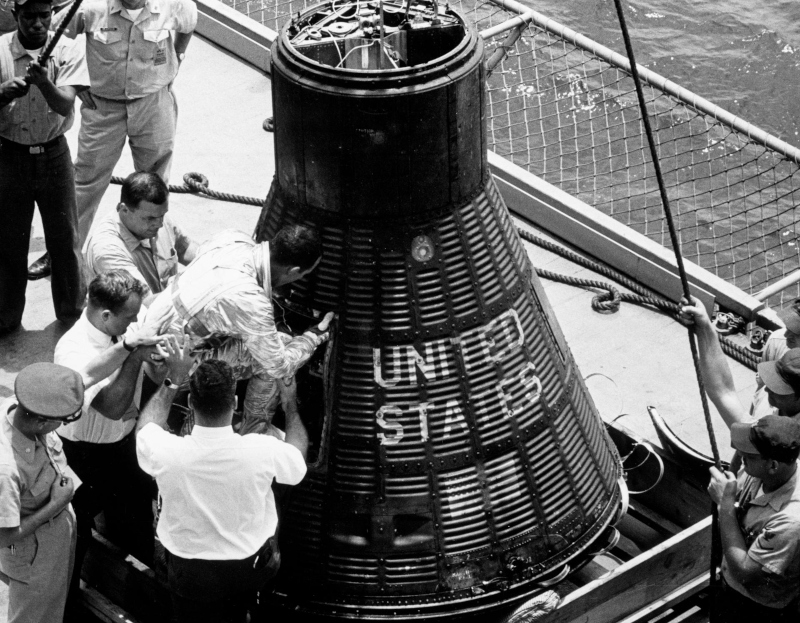
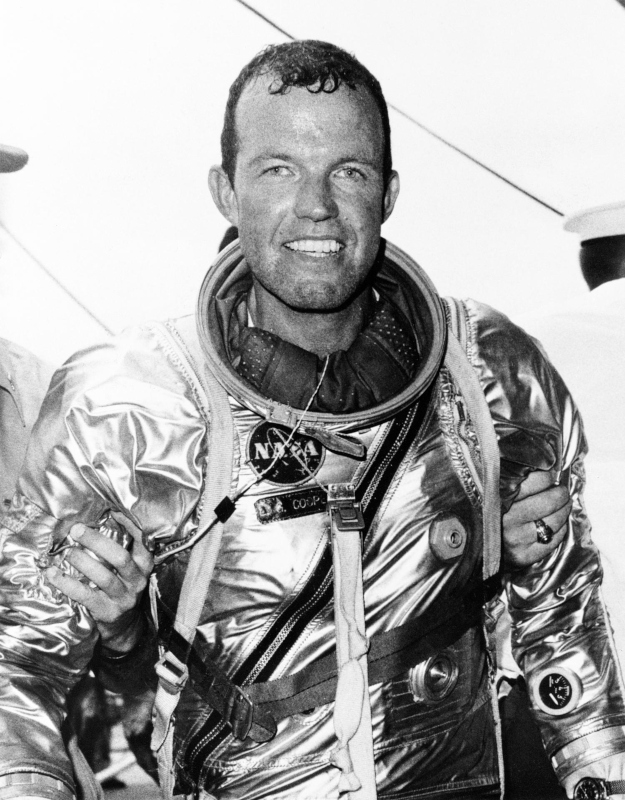
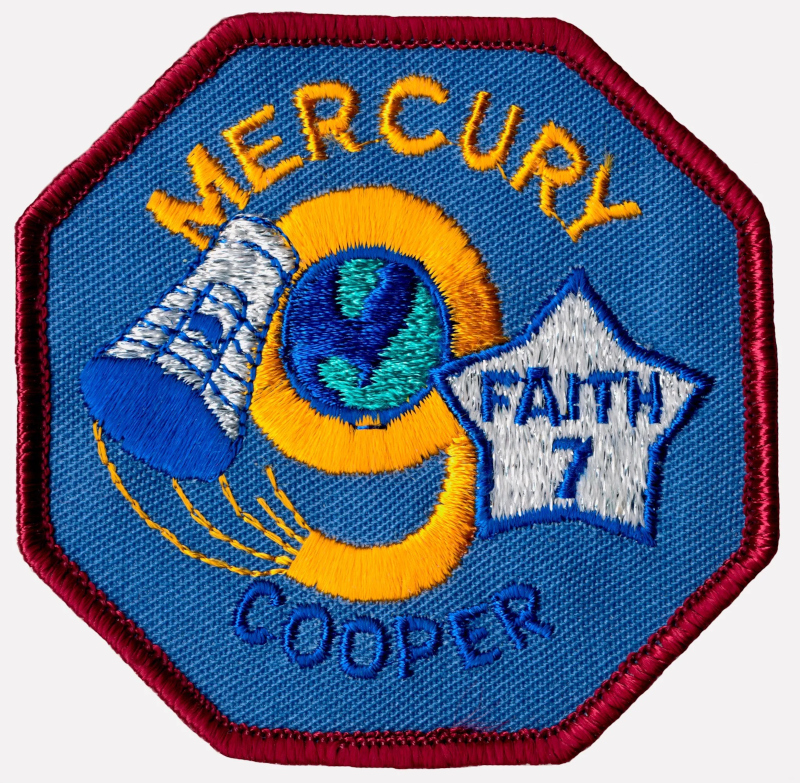
Mercury training; (15-16 May) flew as Pilot MA-9 (34 hrs 19 min); first US one-day mission. |
1964: |
(8 Jul) Astronaut Office (Code CB) technical assignment as Chief, Apollo Branch Office. |
1965: |
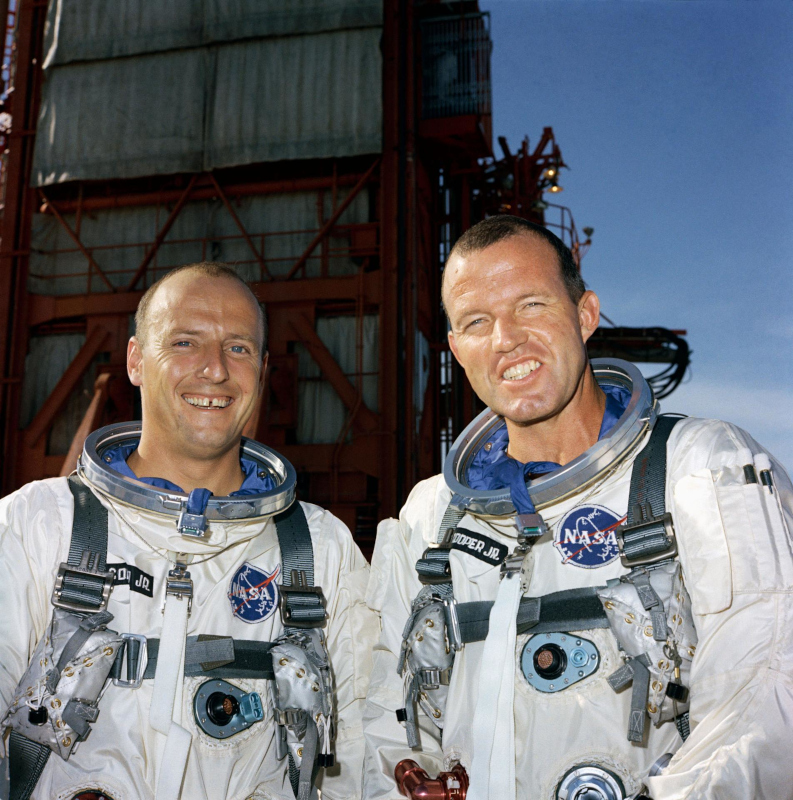
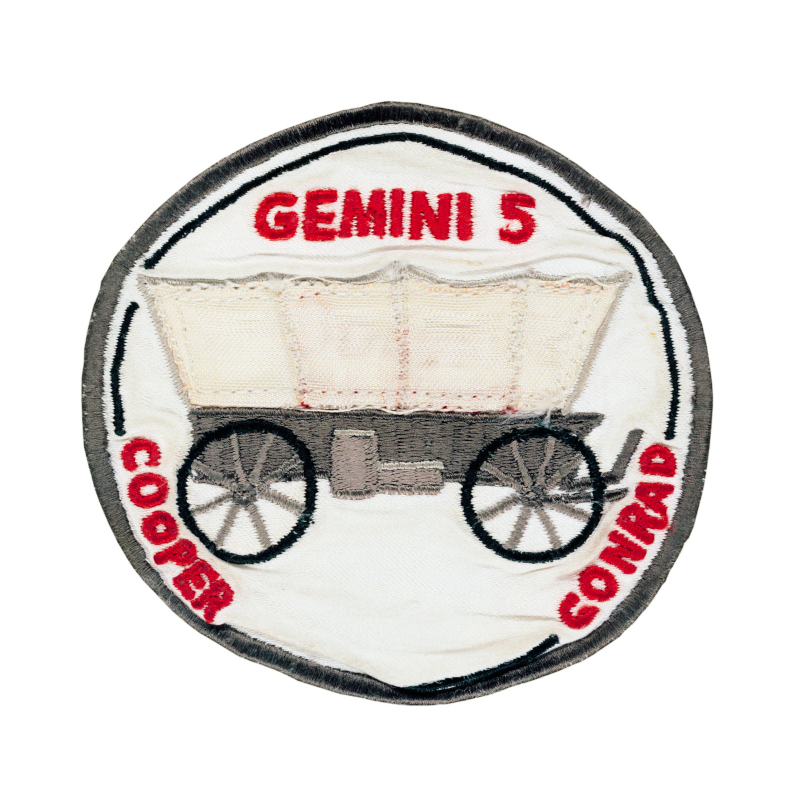
(8 Jan) Named as Command Pilot Gemini 5; Gemini training; (Mar) Capcom Gemini 3; Gemini training; (21-29 Aug) flew as Command Pilot Gemini 5 (7 days 22 hrs 55 min); set new endurance record (with Conrad), first flight over 7 days; (23 Sep) named as Gemini Branch Chief, CB, replacing Grissom. |
1966: |
(27 Jun) named BUp Command Pilot Gemini 12; Gemini training (Jul) Capcom Gemini 10; Gemini training; (Nov) BUp Command Pilot Gemini 12. |
1967: |
(Nov) Chief, Apollo Applications Program (AAP, later Skylab) Branch Office. |
1968: |
(13 Nov) Named BUp Commander Apollo 10; Apollo training. |
1969: |
Apollo training; (May) BUp Commander Apollo 10; expecting to rotate to Command of Apollo 13; when offered the position of BUp Commander Apollo 13, with no assurance that he would command Apollo 16, he refused; (3 Oct) named assistant for Space Shuttle Program, Flight Crew Operations Directorate (FCOD), NASA Manned Spacecraft Center (MSC). |
1970: |
Assistant for Space Shuttle Program; FCOD, MSC; (31 Jul) resigned from NASA and retired from the USAF with the rank of Colonel. |
|
|
POST-ASTRONAUT EXPERIENCE |
|
1970-74: |
Formed Gordon Cooper and Associates, Inc., an aerospace consulting firm; had interests in aerospace and hotel and lenad development projects; served on the Board of Directors for a number of other organisations, mainly specialising in energy, advanced electronics, efficient homes, boats and marine systems. |
1974-80: |
Vice President, Research and Development, The Walt Disney Company. |
1980-dates unknown: |
President, X=L Inc., a firm developing alcohol-based aviation fuel; continued his passion for designing and testing new aircraft. |
1989-dates unknown: |
Continued to design and test new aircraft in California, as CEO of Galaxy Group Inc. |
4 Oct 2004: |
Died from heart failure at his home in Ventura, California, aged 77. |
|
|
Gordon COOPER Space Flight Missions |
||||||
Mission |
Vehicle |
Position |
Dates DD/MM/YY |
Duration DD:HH:MM:SS |
Orbits |
EVAs |
Mercury 9 |
Atlas |
Pilot |
15/05/1963-16/05/1963 |
01:10:19:22 |
22 |
0 |
Gemini 5 |
Titan |
Command Pilot |
21/08/1965-29/08/1965 |
07:22:55:14 |
122 |
0 |
|
||||||
Missions Flown: |
2 |
Total Flight Time: |
09:11:14:36 |
142 |
0 |
|
|
||||||
Space Explorer Achievements |
||||||
First person to complete two orbital space flights First American astronaut to spend a full day (24 hrs) in space (Mercury 9) First astronauts (with Pete Conrad) to spend one week (7 consecutive days) in space (Gemini 5). |
||||||