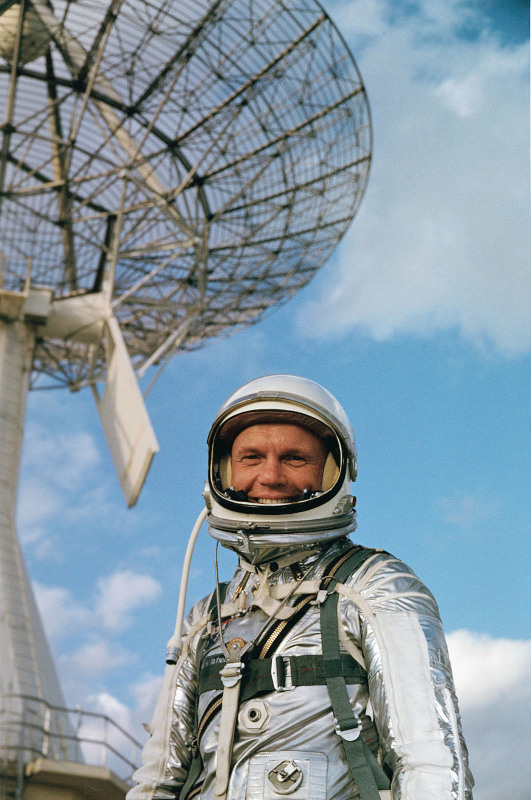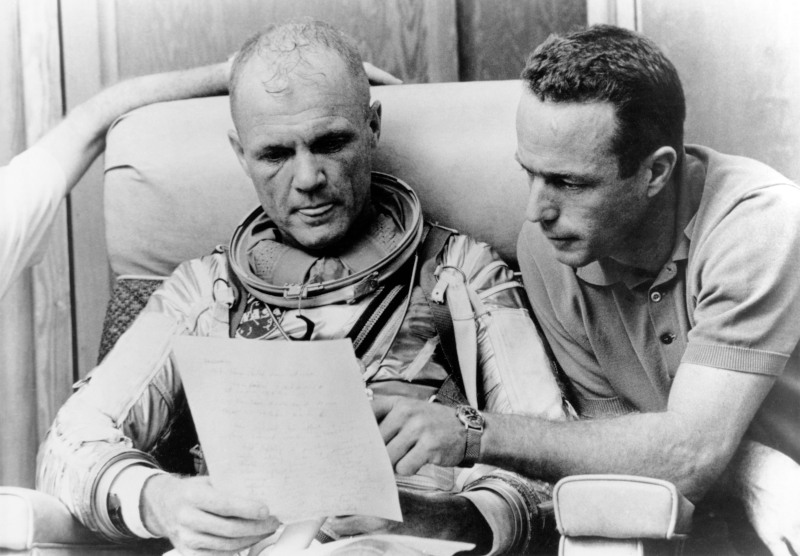

John GLENN |
|
PROFILE |
|
Full Name: |
John Herschel GLENN Jr. |
Rank: |
Colonel, US Marine Corps. (Deceased). |
Born: |
18 July 1921, in Cambridge, Ohio, USA (American). |
Died: |
8 December 2016, aged 95. |
Education: |
1939: Graduated from New Concord High School, Ohio.
1945: BSc degree, Muskingum College, New Concord. |
Career Highlights: |
1943-48: Commissioned in the US Marine Corps (USMC); completed training and flew 59 combat missions in the Marshall Islands during WWII with Marine Fighter Squadron (VMF) 155; returned to the U.S. after the War and transferred to VMF 218, flying on the North China patrol and a tour on Guam in the Pacific.
1948-52: Instructor in advanced flight training at Corpus Christi, Texas; completed various instruction courses.
1953: Flew 63 combat missions during the Korean conflict with VMF 311 and 27; downed three MiGs in the last nine days of the conflict.
1954: Attended and graduated USN Test Pilot School, NAS Patuxent River, Maryland.
1954-56: Project Officer on a number of aircraft at the Armament Test Division of the Naval Air Test Center at Patuxent River.
1956-59: Assigned to Fighter Design Branch, Navy Bureau of Aeronautics, Washington, D.C., as a Project Officer; attended the University of Maryland.
16 Jul 1957: As a project officer for Project Bullet, flying an F8U-1 Crusader, he completed the first non-stop supersonic coast-to-coast flight across the U.S., setting a transcontinental speed record from Los Angeles to New York of 3 hrs 23 min 8.1 sec.
In his flying career, Glenn logged almost 9,000 hours flying time, including 3,000 hours in jets. |
|
|
NASA ASTRONAUT ASSIGNMENTS |
|
1959: |
(9 Apr) Selected as one of the 'Original Seven' Mercury astronauts for NASA's Group 1; basic astronaut training; (Jul) specialisation assignment in Mercury spacecraft crew compartment layout; basic astronaut training. |
1960: |
Basic astronaut training; (31 Dec) basic and theoretical training completed; practical Mercury training begun. |
1961: |
Mercury training; (Jan) Shepard and Grissom were informed of their special training for the 1st and 2nd crewed sub-orbital Mercury flights, with Glenn assigned as their back-up; Mercury mission training; (22 Feb) official announcement of assignment; Mercury mission training; (May) BUp Pilot Mercury-Redstone 3 (MR-3, Shepard); (Jul) BUp Pilot MR-4 (Grissom); Mercury training; (29 Nov) named as Pilot MA-6, the first US crewed orbital space flight; Mercury mission training. |
1962: |
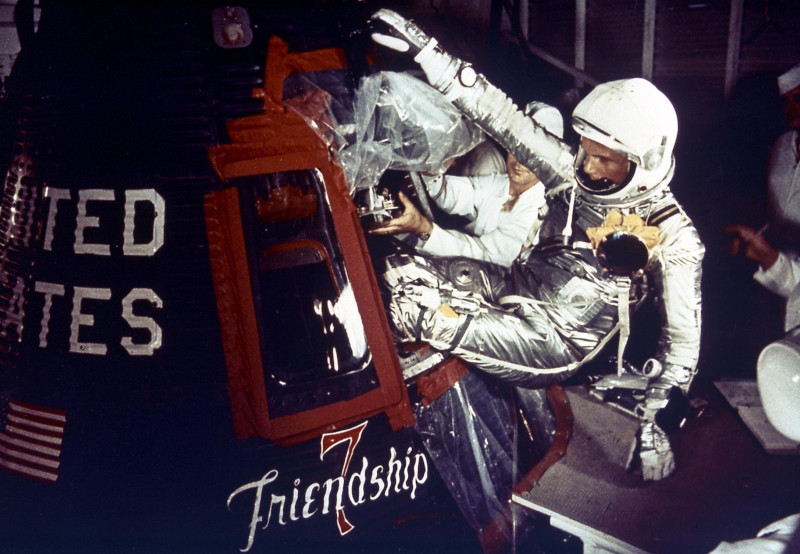
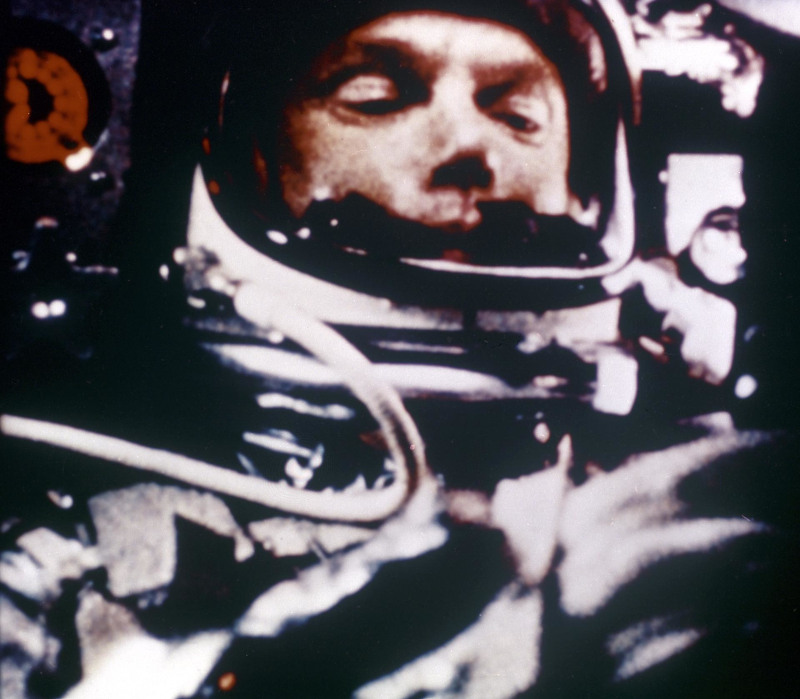
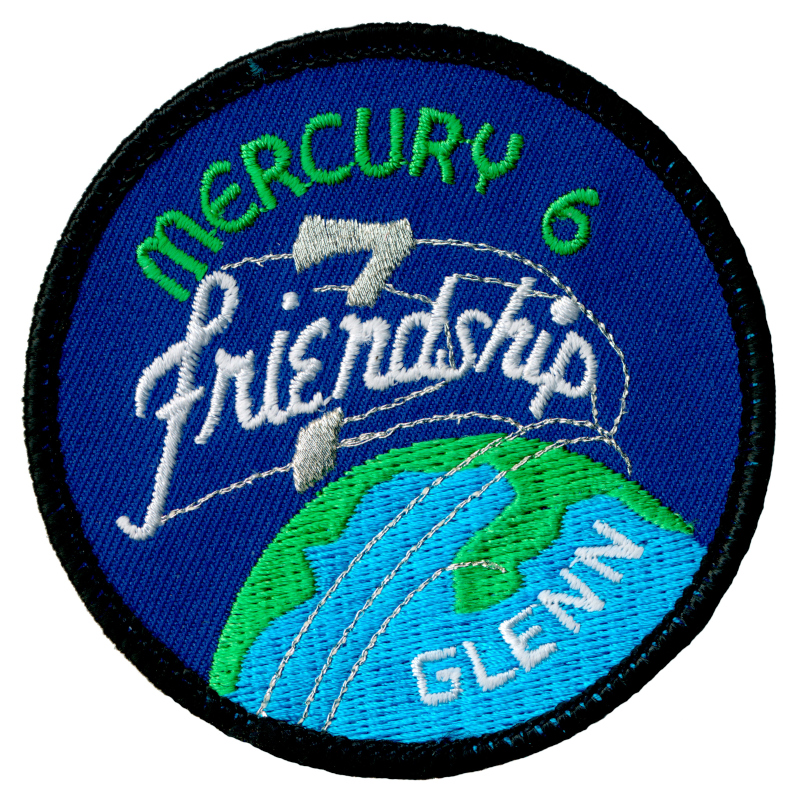
Mercury mission training; (20 Feb) flew as Pilot MA-6 Friendship 7 (4 hrs 55 min 23 sec); first American and third person to orbit the Earth; (9 Mar) awarded Astronaut Wings; post-flight public assignments, became a national hero; Mercury support; (Oct) Capcom MA-8 (Schirra) at California station; Mercury support. |
1963: |
(26 Jan) Received Astronaut Office (CB) technical assignment for panel layout, cockpit design and control functioning for Project Apollo; Mercury support; (May) Capcom MA-9 (Cooper) aboard Coastal Sentry Quebec; CB technical assignments. |
1964: |
CB technical assignments; (16 Jan) resigned from NASA. |
1964-98: |
Retired USMC and pursued a business and political career (see Post-Astronaut Experience section below). |
1998: |
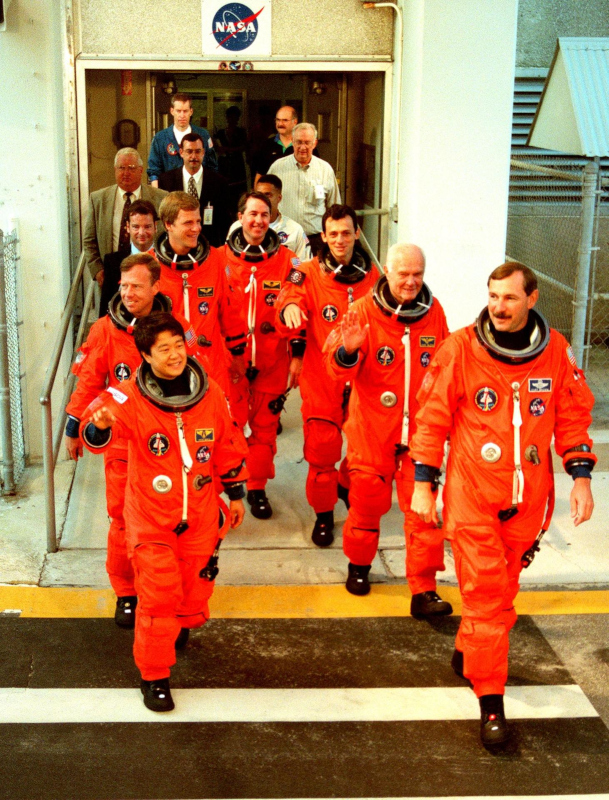
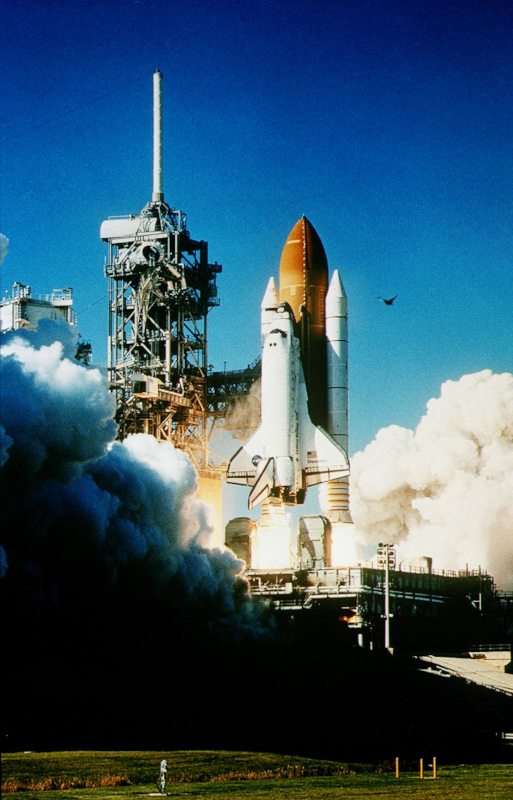
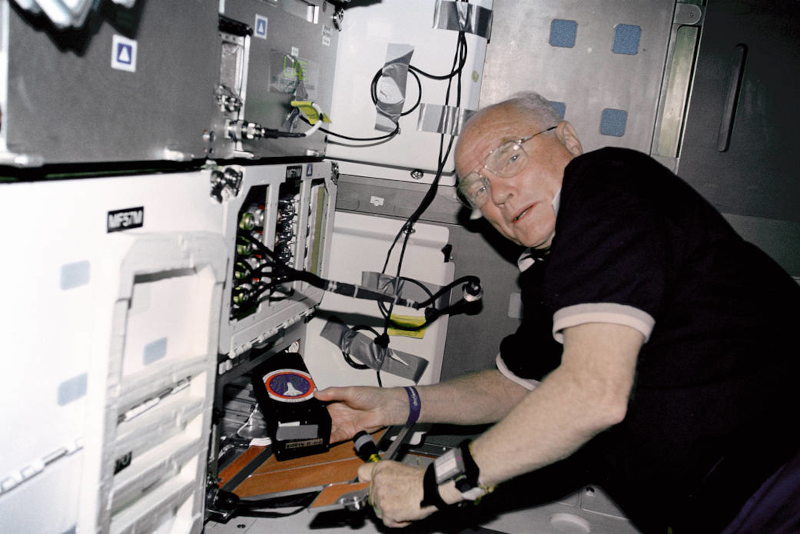
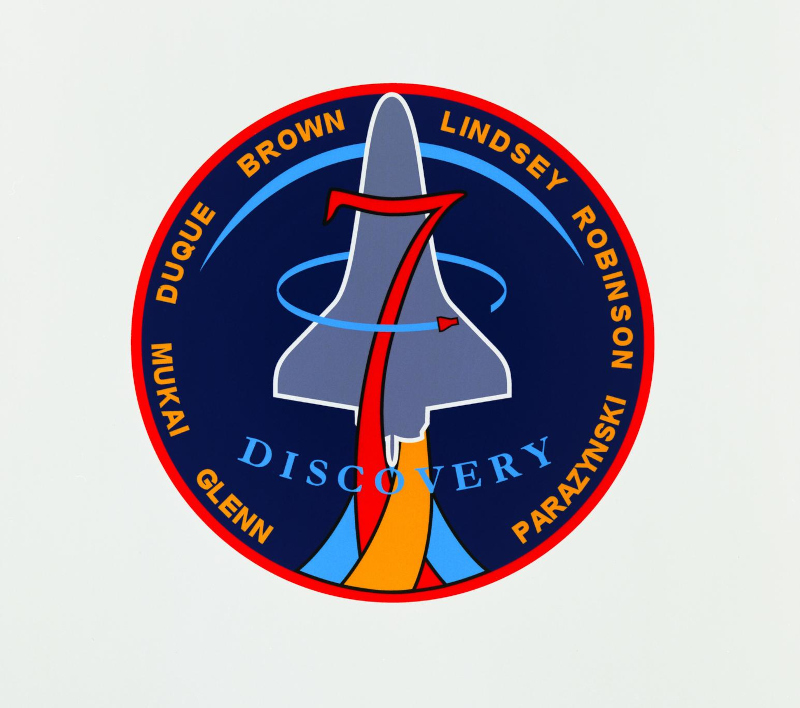
(16 Jan) Named as Payload Specialist 2 (PS-2, US Senator) on the crew of STS-95, for a programme of research into the effects of weightlessness on the body of an older person; Shuttle PS training; (29 Oct - 7 Nov) flew as PS-2, STS-95 (8 days 21 hrs 44 min); oldest person to fly in space (aged 77); retired from PS status and returned to Senate duties after the flight, but continued follow-up medical experiments over the next six months. |
|
|
POST-ASTRONAUT EXPERIENCE |
|
1964: |
(17 Jan) Announced plans to run for Democratic nomination for the Senate in Ohio; (26 Feb) slipped on a bathroom rug and sustained concussion, suffering disabling and persistent dizziness, nausea and ringing noises in the ear, which forced his withdrawal from campaigning on medical advice; (30 Mar) withdrew from Senate race; decided to retire from USMC when fully fit; (27 Oct) promoted to Colonel. |
1965: |
(1 Jan) Retired from USMC with rank of Colonel after 23 years of distinguished active service; (Feb) became consultant to the NASA Administrator and remained based in Houston, Texas while pursuing a business career. |
1965-74: |
Executive for soft drinks company Royal Crown International, as well as on the boards of several other corporations; made investments in hotel development; (1970) candidate for the seat of retiring Senator Stephen M. Young, but the campaign was not organised efficiently and remained underfunded, leading to Glenn's defeat. |
1974-99: |
US Senator (Democrat) Ohio; (Nov 1974) won seat carrying all 88 counties of Ohio; (Nov 1980) re-elected for 2nd term; (1984) attempted to gain Democratic presidential nomination but once again his campaign was unfocused and not strong enough. Glenn dropped out of the race prior to the convention; (Nov 1986) nominated for a 3rd term in the Senate; (Nov 1992) became the first popularly elected Senator from Ohio to gain a 4th consecutive term. He became one of the Senate's leading experts on technical and scientific matters and served on Armed Forces Subcommittees, Select Committees on Intelligence and Aging and as a spokesperson for the limitation of weapons of mass destruction, as well as for space exploraation; (3 Jan 1999) left the Senate after 24 years' service. |
1997-98: |
(Spring 1997) Announced his retirement from the Senate at the end of his current (4th) term but would continue public service. He expressed an interest in returning to space to investigate the issues of aging; held discussions with NASA about the opportunity to fly as a PS on a Shuttle mission, which led to the January 1998 announcement of his assignment to the crew of STS-95. |
1999-2016: |
Following the completion of his STS-95 and Senate obligations, Glenn began a new period of public life, which included writing a book (John Glenn: A Memoir, published in 1999) and working with the Ohio State University to establish the John Glenn Institute of Public Service and Policy in Columbus, at which he intended to teach and participate in seminars. |
8 Dec 2016: |
Died at the Ohio State University Wexner Medical Center, Columbus, Ohio, at the age of 95. He was the last surviving member of the Original Seven Mercury astronauts. |
|
|
John GLENN Space Flight Missions |
||||||
Mission |
Vehicle |
Position |
Dates DD/MM/YYYY |
Duration DD:HH:MM:SS |
Orbits |
EVAs |
MA-6 |
Atlas |
Pilot |
20/02/1962 |
00:04:55:23 |
3 |
0 |
STS-95 |
Discovery |
Payload Specialist |
29/10/1998-07/11/1998 |
08:21:44:56 |
134 |
0 |
|
||||||
Missions Flown: |
2 |
Total Flight Time: |
09:02:40:19 |
137 |
0 |
|
|
||||||
Space Explorer Achievements |
||||||
First American to orbit the Earth (20 Feb 1962) Longest gap between space flights (1962 - 1998, 36 years) Oldest person to fly in space (77 years 3 months 11 days) at the time of his 2nd flight, STS-95 in 1998 |
||||||